
To complete an FH6 Weekly Challenge, match the active card and its exact car, work through the chapters in order, and check progress after each requirement. This guide explains a repeatable process, with a dated City Life example checked on November 17, 2026. It separates the weekly car chain from photo cards, daily tasks and treasure hunts, and shows how to diagnose a missing check without guessing a universal fix.
Find the Weekly Challenge that is active now
Start with the current Festival Playlist and open the card explicitly labelled Weekly Challenge. Read the Series, season and remaining time before following a video. A result published recently can still describe a previous rotation, and a familiar car can return with different objectives. Write down the challenge name as well as the car: those two details make a much better match than searching for "winter weekly" alone.
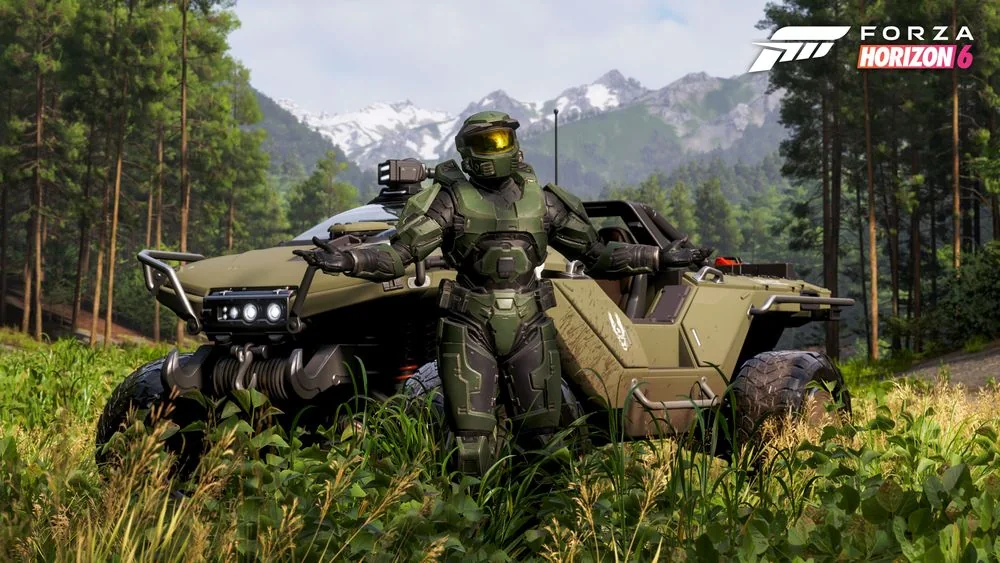
As of November 17, 2026, the official Forza event hub identifies City Life Autumn as November 12-19. Its Weekly Challenge is Thriller of Autumn, using the 2554 AMG Transport Dynamics M12S Warthog CST, with Trailblazers, Cross Country racing and photography listed as its activity types. This is a dated example, not a claim that those requirements apply to every future week. Check the active in-game card if you are reading after that window.
The distinction also helps near an update. A software download introduces changes, while a Playlist rollover changes the active set of tasks. Installing an update does not establish that a particular seasonal challenge has started. Use the game's current card and timer for the task you can actually complete, then use official announcements to understand broader changes.
Keep the weekly car task separate from other Playlist cards
Weekly Challenge, Photo Challenge, Daily Challenge and Collectibles are separate categories in the official table. A Weekly Challenge can include a photography chapter without becoming the separate Photo Challenge. Likewise, smashing a treasure chest is not a substitute for completing a weekly car chapter. Compare the category before assuming a guide is describing your task.
One car can be useful in several cards. During the dated Warthog week, the same vehicle appears in a separate photo task and a championship. That creates an opportunity to combine travel, but each activity still has its own conditions and completion mark. Check which card changed after an action. If the photograph satisfies one challenge but another remains unfinished, inspect the second card rather than immediately assuming a bug. The Weekly Challenge troubleshooting guide takes that distinction further when progress genuinely appears stuck.
Match the exact car before spending credits
The first useful purchase decision is whether you need to buy anything. Inspect your Garage for the precise car named by the active card. A powerful alternative does not satisfy an identity requirement merely because it can complete the driving task faster. Conversely, an owned eligible car is a better starting point than buying a second example before you understand the challenge.
Read the full vehicle identity
Compare manufacturer, model year, model name and any edition suffix. The Warthog example illustrates why a seemingly unusual year still matters: the official requirement identifies a 2554 vehicle, not a contemporary off-road truck with a similar role. Other weeks can specify an exact model rather than every car made by that brand. Copy the name from the card, then compare it against the selection screen.
Use the FH6 car catalog to help identify the vehicle, but read the actual in-game collection record before committing credits. A catalog entry and a purchase offer answer different questions. A stored price, old reward window or screenshot of someone else's Garage does not establish that you can buy the car at that price today. This distinction is especially useful when a guide was written during an earlier Series.
Check the acquisition route before buying a tune
Forza's official car list directs players to Collection Journal, Discover Japan and Car Collection, then the Purchase option for information about routes beyond the Autoshow. That gives you a sensible order: verify ownership, inspect the collection entry, and compare currently available acquisition methods. Check whether another active reward gives you the same car before paying an unnecessary market premium.
Only then consider upgrades. A tune is a configuration, not ownership of the required vehicle. Read any class or build condition on the challenge itself before installing one. If the task simply requires a photo, expensive performance parts do not solve the photographic condition. If another card uses the same car with a class limit, save a suitable build for that separate activity and recheck eligibility after switching.
A practical preparation note has three lines: exact vehicle, source of ownership, and any task-specific restriction. That small record makes it much easier to diagnose a failed check than remembering only that you used "the right kind of car." Keep the original configuration available while experimenting, and avoid changing several things at once before confirming that the first chapter has registered.
Complete each chapter before moving to the next
The Weekly Challenge is a chapter chain. The FH6 Festival Playlist community reference describes four chapters, with completion of one unlocking the next. Treat the active chapter as the instruction you are solving now. A list of all four objectives is useful for planning travel, but it is not permission to assume that actions performed before a chapter becomes active will be credited later.
Begin by selecting the required car and satisfying the first displayed condition. Return to the card and inspect the check or next instruction before starting a long drive. If the opening check remains unfinished, completing later races repeatedly is an inefficient diagnostic step. Establish whether the car is recognized first, then address the next requirement. This keeps a vehicle-identity problem separate from a race or photograph problem.
For every subsequent chapter, translate the sentence into four components: the action, the eligible vehicle, the activity or location, and any numerical target. "Earn" and "win" are different instructions. A request for stars is different from a request for one completed event. A task that names a race category should be checked against the event information, not against whether the scenery seems suitable.
Keep a short progress note if you are interrupted. Record the chapter number and its remaining requirement rather than relying on where you last parked. After a restart or a switch to another activity, reopen the Weekly card before resuming. That avoids completing the same objective out of habit when the chain has already advanced, or working on a future step while the previous one remains incomplete.
When a counter is cumulative, inspect it after one qualifying attempt. If it moves as expected, continue with a route you can repeat reliably. If it does not, stop and compare the condition before making several more identical attempts. A single deliberate check can reveal a wrong event category or a missing prerequisite much sooner than a full evening of blind repetition.
The official activity table is a useful overview, but it abbreviates requirements. It does not reproduce every chapter's full wording or prove that every apparent shortcut qualifies. Use the expanded in-game instruction for exact quantities and completion conditions. In particular, do not import a number, a car restriction or a claimed workaround from a different week's video just because its title also says Weekly Challenge.
Translate the activity requirement into the right event
Once the car is recognized, choose an activity that matches the current chapter's words. In the dated Warthog example, the official overview lists Trailblazers and Cross Country racing. A road race is not Cross Country simply because you leave the asphalt during it, and a Danger Sign is not a Trailblazer because both involve driving quickly through the landscape. Inspect the event's category before starting.
For a stars-based objective, compare the chapter's target with the result you actually receive. Plan around repeatable completion rather than a spectacular attempt that frequently fails. Read whether the instruction asks for a total, a single performance or a specific activity. Those distinctions determine whether several modest attempts are useful or whether you need to improve one run. Do not assume that every weekly target uses the same counting rule.
For a race chapter, check whether the instruction requires completion, victory or another result. Continue through the result screen and then inspect the card. A fast run in the wrong mode may produce an impressive time without answering the weekly condition. If you are joining friends, compare the active task and the chosen event before everyone loads in; one player's route plan does not establish eligibility for another player's unfinished chapter.
Treat photography and race categories as separate checks
A photography chapter needs its own reading. Look for the required subject, place and any action or state named by the card. Position the correct vehicle so the subject is clearly visible, then check the resulting completion feedback. If the instruction adds a condition such as being airborne, simply photographing the car beside a ramp does not demonstrate that condition. Use the actual expanded instruction rather than adding a requirement based on a thumbnail.
Also compare the Weekly chapter with any separate Photo Challenge before combining them. The November 12-19 official table has a Warthog photo task at Shibuya Crossing as a different card. Completing that task does not establish that the Weekly photograph is finished. Check the two marks independently and retain a useful image if you need to report a detection problem.
After a failed attempt, change the variable that the feedback points toward. If the vehicle identity is wrong, moving to another viewpoint will not fix it. If the required action is missing, installing more power may not help. A methodical check is usually a better use of the remaining week than downloading several unrelated tunes and trying every photograph location mentioned in search results.
Check the reward without confusing three different totals
A challenge can contribute progress while also awarding an item or credits. Check both parts of the card instead of treating every displayed number as the same currency. For the dated Thriller of Autumn example, the official table lists 150,000 CR. That is a credit reward, not a claim that completing this one chain supplies the entire Series reward target.
Seasonal points answer a different question: how far you have progressed toward that week's reward ladder. The City Life Autumn table lists seasonal reward thresholds of 15 and 30 points. These figures explain why a general guide built around an older 20/40 target needs to be read with its date in mind. Compare your current in-game ladder before deciding how many additional activities you need.
Series progress covers the longer collection of seasons. The same official City Life table lists Series rewards at 60 and 120 points. A week and a Series are related periods, but their remaining timers and rewards are not interchangeable. An activity can end with its season even while other parts of the Series continue. Plan around the deadline on the task itself rather than assuming that every unfinished chapter remains available until the month ends.
Lifetime History progress is another mechanism. It concerns accumulated participation across Series, rather than just the current car task or a single week's ladder. The Series History rewards guide explains that distinction in detail. A completed Weekly Challenge should be checked against the appropriate progress display; a missing historical reward is a separate question from whether the current chapter registered.
After finishing the chain, inspect the card and relevant balance or reward display. If you are checking credits, note the amount before and after rather than relying on memory after several purchases. If you are checking points, inspect the seasonal progress rather than a car's price. If the task shows complete but a specific reward appears absent, save evidence of both screens. This gives support a clearer problem to investigate than a general statement that "the weekly didn't work."
Build a repeatable weekly routine and handle a missing check
A useful weekly routine begins with a short inspection, not an expensive build. Read the active card, match its car, check your ownership route and note the deadline. Then complete the chain in order, returning to the card after each chapter. Group nearby travel only when doing so does not cause you to skip a prerequisite. This turns a changing set of tasks into a familiar decision process without pretending that every week uses the same events.
Leave a margin before the rollover. If the remaining time is short, assess what is realistically available rather than buying a rare car for a task you cannot finish. There is no universal completion time: travel, ownership, driving confidence and the active requirements all affect the effort. A checklist that honestly reflects those constraints is more useful than a promise that every player can finish in a few minutes.
After the chain is complete, collect or inspect the reward through the game's displayed process and choose your next activity deliberately. You can work toward a seasonal ladder without completing every kind of card. The goal is to understand what each action contributes and what remains available, rather than automatically repeating the same race because a guide once recommended it.
Record the failed condition before trying a fix
If progress stalls, identify the exact chapter and the last action that should have satisfied it. Capture the expanded instruction, selected car and result. Note the Series, season, platform and installed version. Check whether the earlier chapter is marked complete and whether the event's category matches the instruction. Those observations separate a wrong requirement from a reproducible failure.
Official fixes can be narrowly scoped. The November 2, 2026 release notes describe retroactive points for eligible players affected by the third part of the Weekly Challenge during Series 5 Week 4. That statement does not establish that every later chapter-three problem has the same cause, or that a current task should award the old compensation. Compare the dates and conditions before treating an old discussion as an explanation.
For a problem that remains, use the official Forza Feedback Portal route linked in the current announcement and provide a concise reproduction. Explain what you selected, what you completed and what failed to change. Preserve your progress while seeking help; deleting a save or purchasing duplicate cars is not a reasonable first diagnostic step. The companion troubleshooting article develops a more detailed sequence when checking the card and conditions is not enough.
Comments (0)
Sign in with Google to leave a comment.